
Best AI Assistants & AI Trends in eCommerce in 2026
Retail eCommerce sales are expected to reach over $8 trillion worldwide by 2026. And AI assistants have their positive role there.
These tools streamline customer interactions through chatbots and personalized recommendations.
Also, these AI bots help eCommerce owners grow their brands online.
In this post, we’ll dish out the best AI assistants for eCommerce shops. You’ll see why they are the best ones, meet their features, and full comparison.
But before, let’s see the types.
Types of eCommerce AI assistants
There are three types of AI eCommerce assistants:
- Chatbots
- Virtual assistants
- Recommendation engines
And let’s have a look at their functions in the table below:
![Types of AI assistants [table]](https://onyx8agency.com/wp-content/uploads/2024/11/Types-of-AI-assistants-table.webp "Best AI Assistants & AI Trends in eCommerce in 2026")
eCommerce shopping assistants should have some features for the best results. They should help eCommerce business owners:
- Enhance productivity;
- Streamline tasks;
- And provide personalized support.
Here are some key features that make our selections the best AI assistants for online stores:
![Features of AI assistants [table]](https://onyx8agency.com/wp-content/uploads/2024/11/Features-of-AI-assistants-table.webp "Best AI Assistants & AI Trends in eCommerce in 2026")
Now, keep reading for a look at our top AI assistants. Know when to use them, and explore their features along with some big companies using them.
Based on the information and our research above, we’ve dished out the best AI assistants for eCommerce brands.
You may also like: How to Build a SaaS SEO Strategy That Works
What are the best AI assistants for eCommerce in 2026?
First and foremost, let’s have a look at all our handpicked top eCommerce AI assistants in the table below:
![Features of all eCommerce AI assistants [table]](https://onyx8agency.com/wp-content/uploads/2024/12/Features-of-all-eCommerce-AI-assistants-table.webp "Best AI Assistants & AI Trends in eCommerce in 2026")
AI assistants have refined the customer service sector, and made it much easier by using chatbots, for example.
Specifically, because it’s helped in boosting sales through customized recommendations.
They help to scale up eCommerce stores efficiently and increase revenue.

Here’s a detailed comparison of the top AI assistants for eCommerce.
1. ChatGPT (by OpenAI)

Many eCommerce businesses use ChatGPT as a comprehensive virtual shopping assistant. It’s great for customer service and content creation.
Above all, it uses advanced NLP to respond intelligently to queries.
Today, many online stores use ChatGPT for:
- Customer service;
- Content creation (for product description and blog articles);
- Streamlining marketing operations.
On top of that, a key feature of ChatGPT is its ability to integrate with eCommerce and CRM tools.
So it’s a great fit for eCommerce brands since ChatGPT supports multiple languages.
Some notable features are:
- Multilingual support;
- Synchronized integration with CRM tools;
- Quick adaptability.
2. Drift
Drift (acquired by Salesloft) is one of the best AI assistants for eCommerce shops in the market.
All in all, conversational marketing helps firms grow. It connects leads with website visitors in real-time.
Drift is known for enabling eCommerce brands to set up conversational flows. And no technical expertise is required.
Through conversations, this tool uses machine learning to qualify leads via:
- Analyzing user behavior;
- Delivering complete insights;
- Sending queries to the right team.
Drift is best for leading generation and converting visitors into customers.
For example, SaaS and eCommerce brands such as Shopify and Adobe rely on Drift to connect with users.
Features:
- Smart analysis for lead generation;
- Automated responses, based on customer behavior;
- Integration with marketing and sales platforms.
Recommended to read: Magento vs Shopify vs WooCommerce: Which One to Choose
3. Tidio
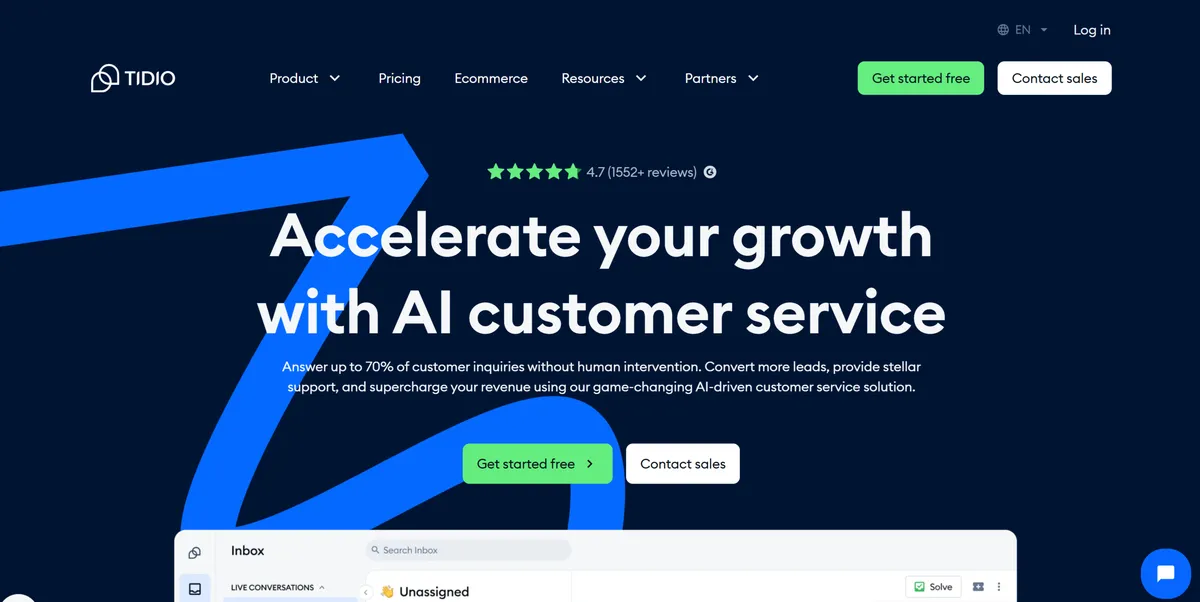
Tidio helps small-to-medium eCommerce brands attract customers and improve customer support.
As a whole, this platform is easy to integrate with popular eCommerce platforms, like Shopify and WooCommerce.
With a great option of customized automated responses, this chatbot can handle:
- FAQs;
- Track orders
- And even guide users through the buying process.
When they plan to expand their digital presence, this tool is pretty handy for:
- Brick-and-mortar stores;
- Efficient customer support;
- Local businesses scaling into eCommerce sectors;
- Online stores handling seasonal sales surges.
A few highlighted features are:
- Pre-built chatbot templates;
- Mobile app for customer support on the go;
- Detailed analytics.
4. Shopify Inbox
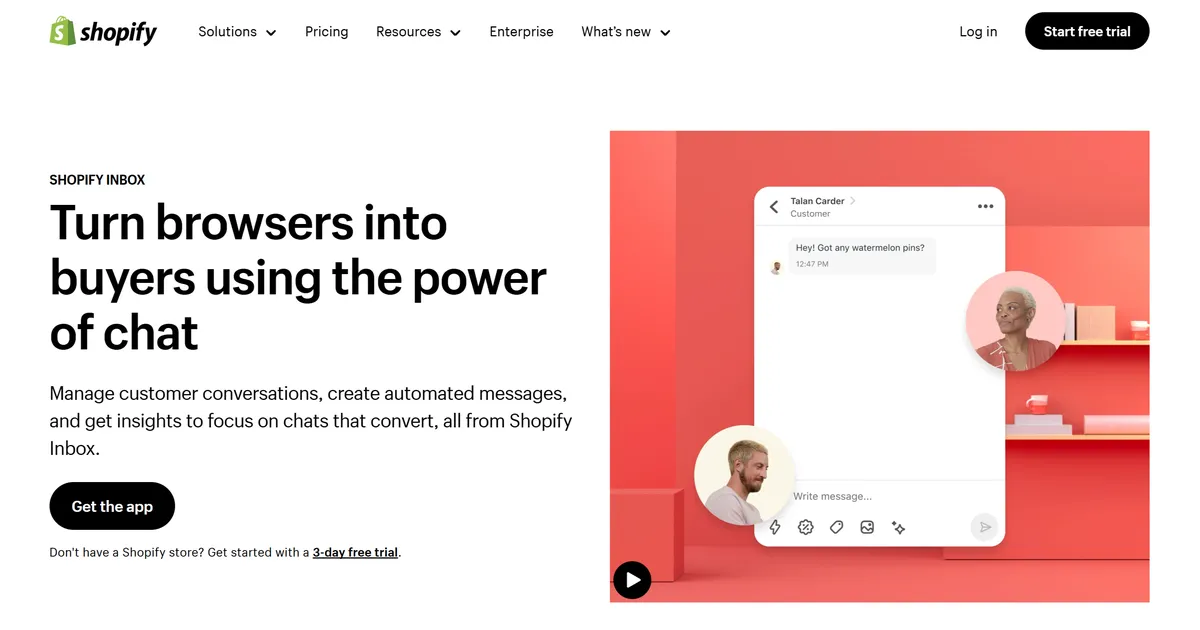
Shopify Inbox is a messaging solution within Shopify’s ecosystem. It lets eCommerce owners communicate with customers across multiple channels.
This chatbot consolidates messages from platforms like email, Instagram, and Facebook Messenger.
Shopify Inbox also doesn’t require minimal technical expertise.
Among its advanced features are automating FAQs and working with social media. It works best with Shopify stores.
5. Ada
Ada is another eCommerce chatbot, for enterprises primarily.
This chatbot is dedicated to automating customer interactions for enterprises.
Ada is particularly effective for large-scale operations.
For example, it applies when companies want to cut costs while keeping service quality.
Why Ada is on the list of the “Best AI assistant tools”?
Simply because Ada’s NLP provides human-like responses to customer queries. And that’s pretty impressive!
Among big companies, Facebook and Shopify Plus use Ada for their customer service.
Some of the quality elements are NLP-powered chat and integrations with helpdesk tools.
6. Dialogflow by Google
Dialogflow is a powerful AI assistant from Google. It helps with conversational interfaces, strategic planning, and personalization.
Above all, this AI assistant builds voice and text-based chatbots and helps to create smart and scalable interfaces.
Dialogflow’s multichannel support lets brands engage users on web, mobile, and smart devices.
Take Domino’s Pizza and Twitter, for example. They use it for AI-driven interactions and AI custom solutions.
Features:
- Machine learning, for improved query handling;
- Integration with Google Cloud tools;
- Support for over 20 languages.
7. Zendesk AI
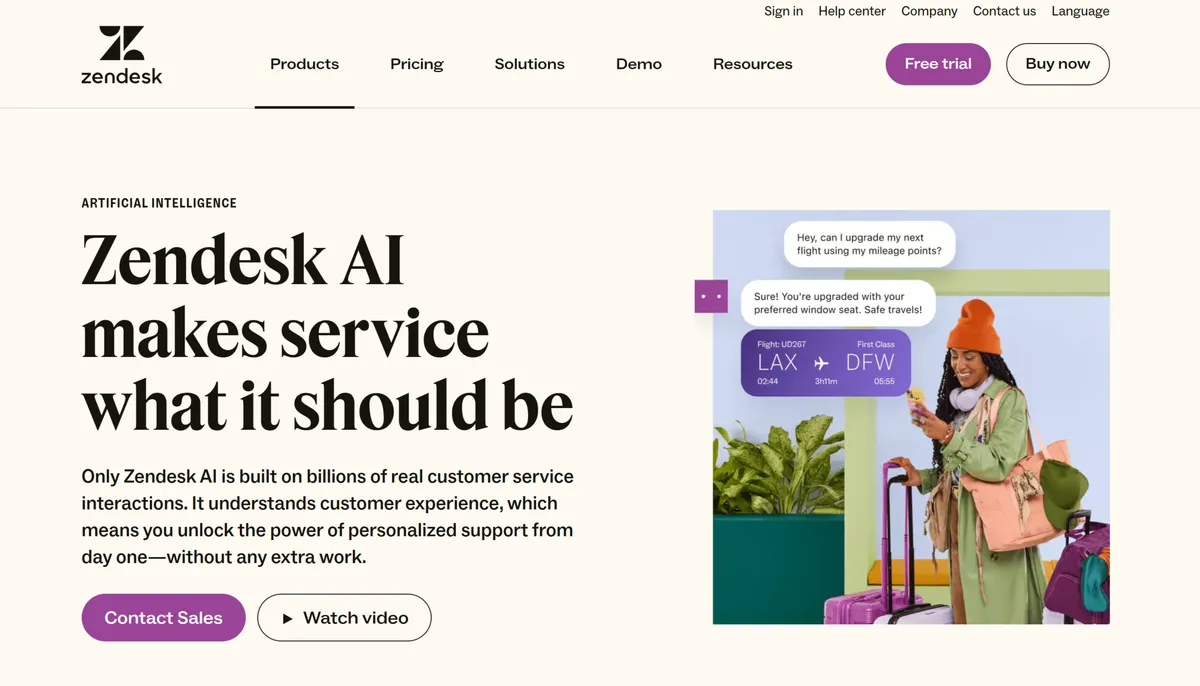
Zendesk AI is one of the top chat and shopping assistant tools widely used today.
Zendesk AI helps brands manage tickets and resolve common issues via self-service options. Its machine-learning capabilities handle queries efficiently.
For eCommerce owners, Zendesk AI boosts customer satisfaction and operations efficiency.
Most importantly, customers choose this tool for its AI ticket routing and real-time metrics.
8. Replika
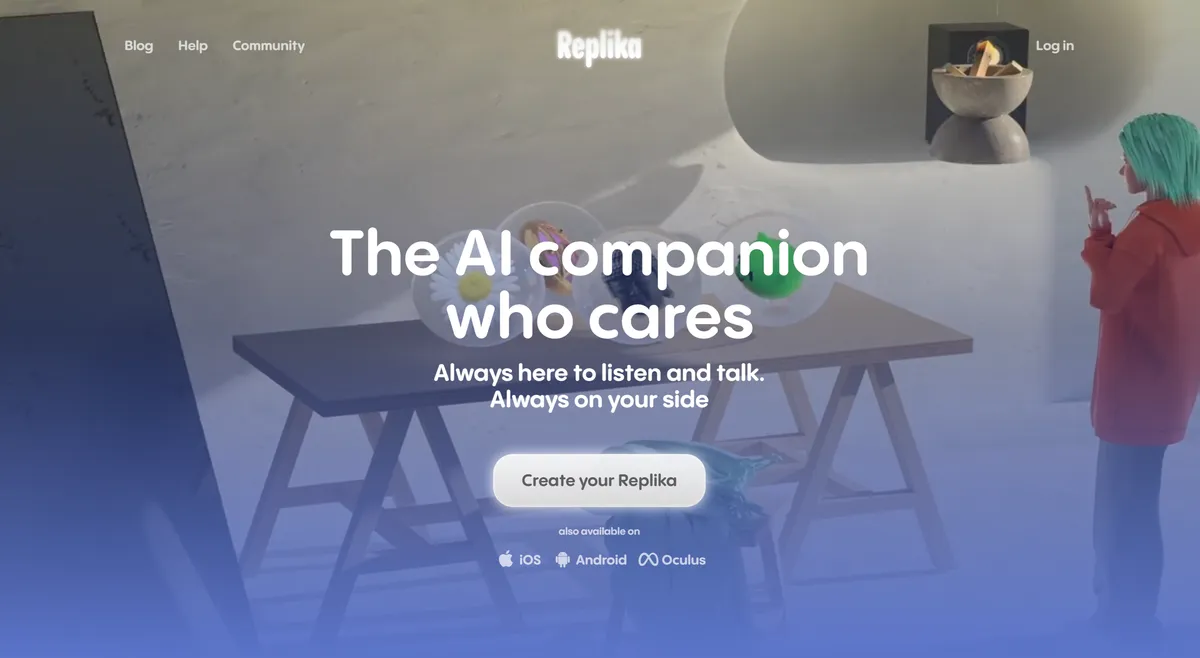
Replika is another great tool for enhancing customer satisfaction.
This chatbot offers mood-based adjustments and customizable responses. These capabilities make it one of the top AI chatbots today.
Plus, Replica helps to increase customized engagement and is easy to integrate into an online shop.
9. Persado
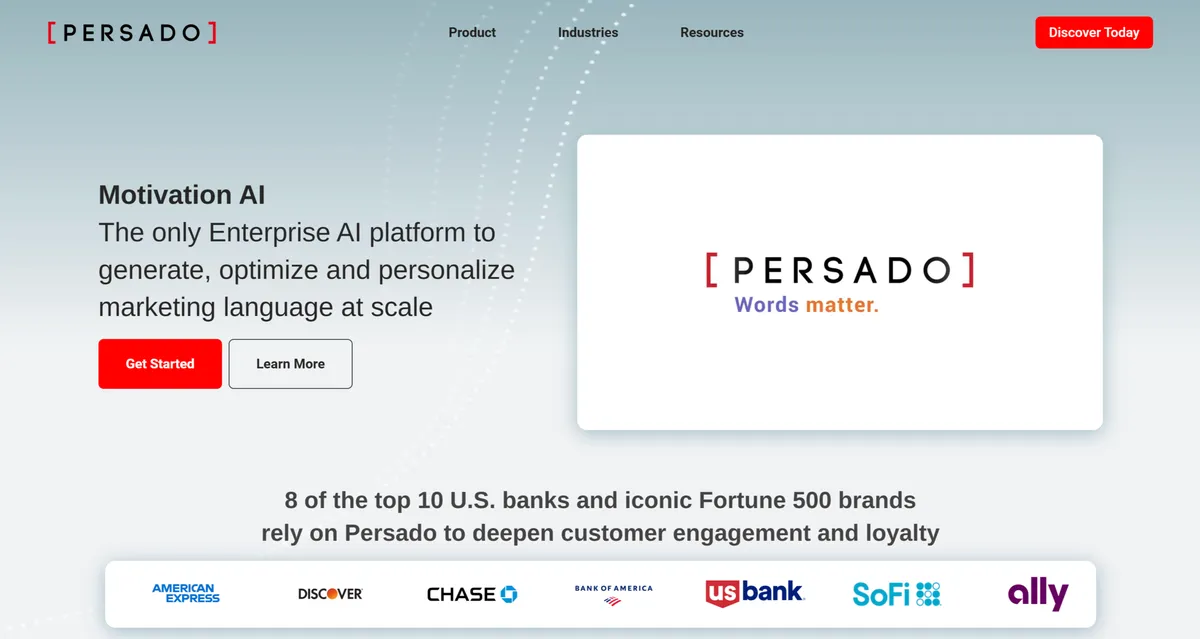
Being a growing brand among AI chatbots, Persado works great with content. It specializes in composing messages for:
- Email campaigns;
- Ads;
- Landing pages.
This tool is great for optimizing messaging. It’s especially useful for online merchants with seasonal sales.
As for big brands and companies, 8 out of 10 largest banks in the United States have used Persado for their marketing needs.
10. Clerk.io
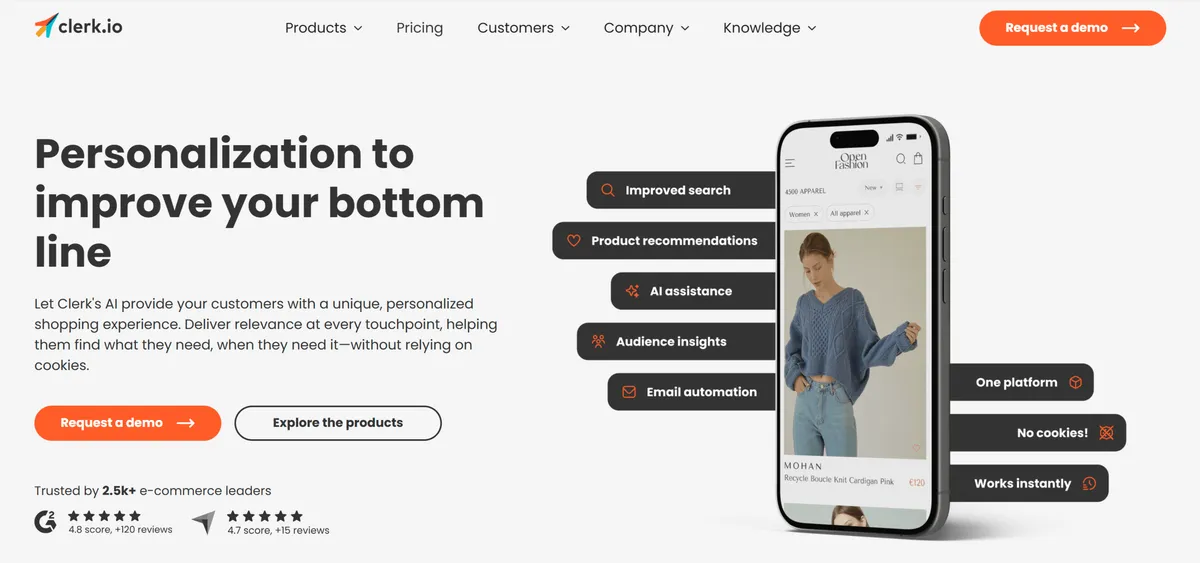
Clerk.io is an AI chat and shopping assistant for eCommerce brands with 98% customer satisfaction.
This eCommerce chatbot works great when personalizing product recommendations or automating email marketing.
Furthermore, it’s integrated with major eCommerce platforms making online shop management much easier.
As for big brands using this tool in their strategies, here are some examples:
- Save the Children
- The Ocean Cleanup
- Unicef
11. Jasper
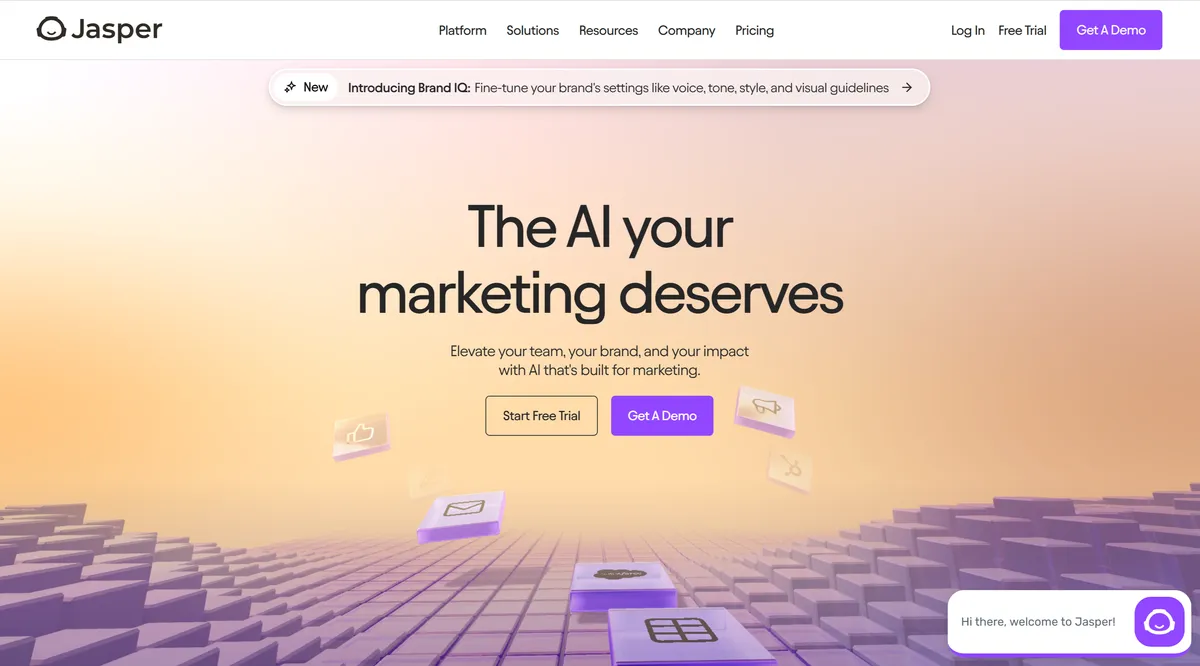
Jasper assists enterprise marketers in creating applications powered by artificial intelligence.
In particular, it provides AI solutions to the following teams:
- Product marketing;
- Field & events marketing;
- Content marketing;
- Brand marketing;
- Performance marketing;
- PR & communications.
Volvo, ULTA beauty, and BloomReach are among 100,000 companies worldwide that have used Jasper.
Recommended article: Top 100 Magento Statistics: Usage, Trends, Market Share & More
Top AI eCommerce trends in 2026
In 2023, worldwide eCommerce sales reached close to 5.8 trillion U.S. dollars. And this figure will grow by 39% exceeding 8 trillion dollars by 2027.
Alongside eCommerce’s growth, so is the AI eCommerce industry. It’s growing rapidly and is expected to reach $45.72 billion by 2032.
AI tools will become more advanced over time.
The sector is rapidly developing, that’s why to give you a better idea, we’ve put together top AI trends in eCommerce.
Let’s dive in.
Trend 1. Hyper-personalization in customer experiences
AI is bringing personalization to the forefront of eCommerce. Especially for retail sales on Black Fridays, Cyber Mondays, and daily sales.
Interestingly, hyper-personalization goes beyond recommending products. It forecasts customer needs before they’re expressed.
That said, AI ecommerce tools create profiles based on browsing history and purchases.
Have a look at this personalized Ad example from Nestle, which is also one of the most interesting ones:
Take Amazon or Sephora, for example. Using data analysis, they suggest individualized product recommendations.
So data collection and customer privacy are among the top benefits of AI in eCommerce.
Trend 2. AI-Powered Virtual Try-Ons
As brick-and-mortar stores coexist with online platforms, AI tools help them compete.
This trend lets customers use AR to see products, like clothes, furniture, and makeup.
Brands like IKEA and L’Oréal are already making use of AI solutions for e-commerce.
For example, IKEA’s Place app uses AR to project furniture into customers’ spaces.
On the flip side, L’Oréal’s virtual makeup try-on boosts online conversion rates.
Plus, virtual tools help adjust budgets and deadlines, especially for smaller entrepreneurs.
Trend 3. AI-driven chatbots & voice assistants
As mentioned before, the AI eCommerce assistants market has grown in recent years.
Many fashion brands and eCommerce companies use machine learning to keep customers pleased.
As an example, eBay uses AI technology to manage high volumes of inquiries.
Plus, its AI assistant integration enables voice-driven searches.
Cutting corners in programming or UI design can frustrate customers. This often forces brands to go back to the drawing board.
Trend 4. Predictive analytics for inventory management
have you ever wondered how to forecast demand to reduce overstock or stockouts?
That’s where predictive analytics takes the reins.
Inventory management is one area where AI-driven ecommerce tools are driving measurable results.
That said, Zara applies predictive analytics to match inventory with customer demand.
On the other hand, for smaller businesses, this investment seems like a hurdle.
But, it’s not rocket science. Predictive analytics can save money and boost profits in the long run.
Trend 5. Dynamic pricing models
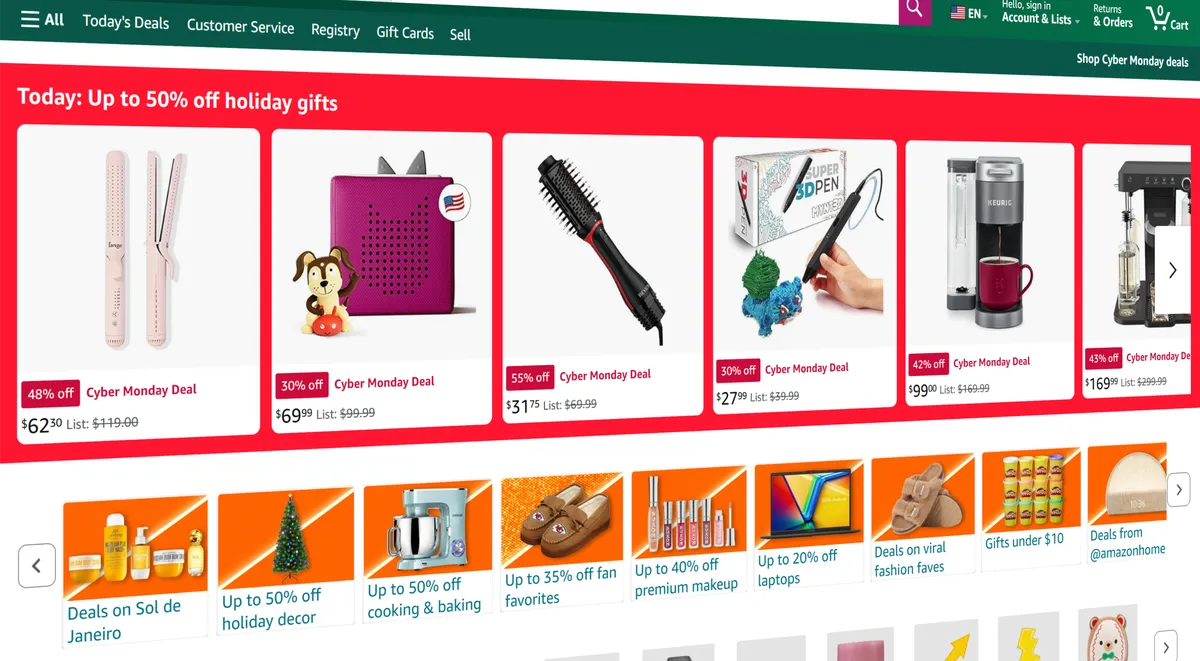
AI-driven dynamic pricing helps businesses adjust prices in real time. It uses:
- Demand;
- Competitor prices;
- And inventory levels.
Dynamic pricing models let brands stay competitive without cutting profits.
Amazon’s pricing algorithm is a brilliant example of this trend. They adjust product prices several times a day, considering demand and competitor discounts.
Conversely, implementing dynamic pricing requires strategic planning to maintain customer trust.
Trend 6. AI in eCommerce content creation
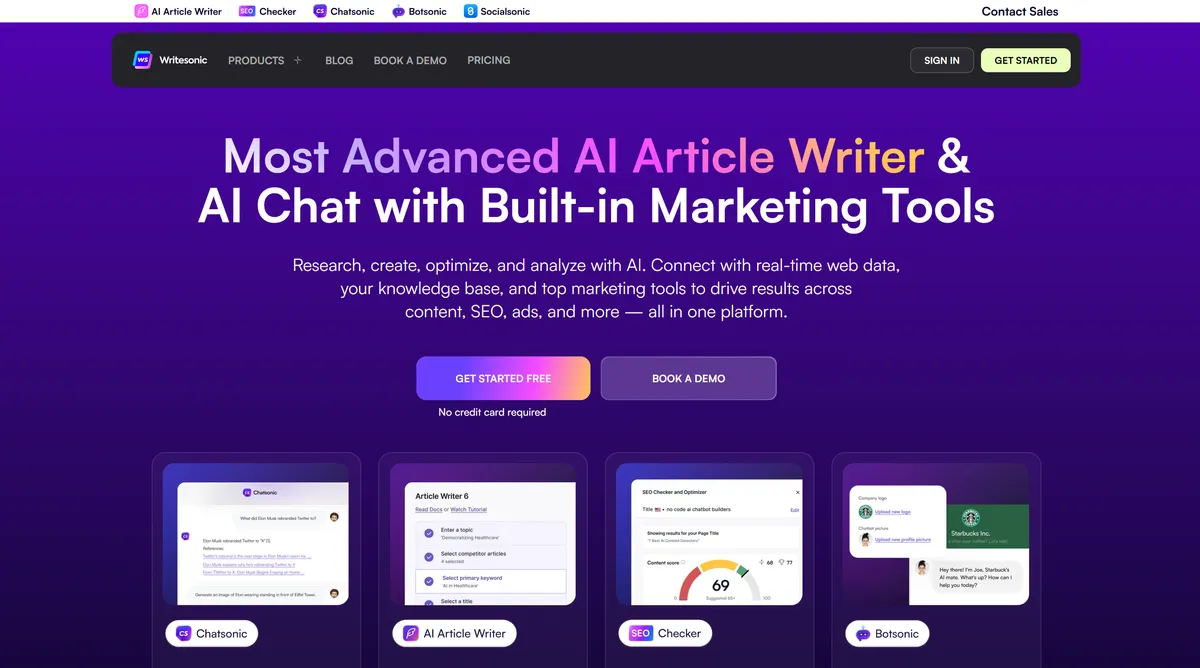
Nowadays, over 44% of marketers have used AI for content production.
Today, SEO-friendly content does matter! It helps to gain organic traffic and automate creating product descriptions, for example.
As for top AI writers, Jasper and Writesonic generate high-quality content at scale.
And ChatGPT, indeed. 😉
In general, yes – Google does not penalize for AI-written content.
But consider the fact that it must provide value to your potential customers.
Trend 7. AI-driven fraud detection & prevention
AI in fraud management had a market value of USD 8.9 million in 2022. It’s growing at a CAGR of 12.7% from 2023 to 2033.
Today, fraud prevention still remains a serious issue for small and big brands.
For example, PayPal uses AI to analyze billions of transactions to detect fraud and suspicious activity.
AI fraud detection may seem like a costly extra. But in fact, it’s a necessity today.
Grow your eCommerce brand with Onyx8
The eCommerce sector will still grow in 2026 and include a blend of automation and human ingenuity.
At Onyx8 agency, we understand the trends and challenges of the eCommerce industry.
As a professional eCommerce agency, our services include:
- Custom website design
- Custom web development
- Shopify development
- Magento development
- eCommerce SEO services
Have an eCommerce project?
Contact us to tell us about your unique project requirements.